Description of Programs
-
Individual Therapy
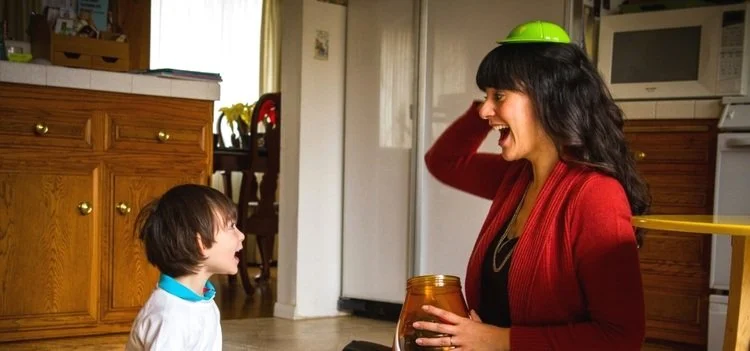
Echo Speech Therapy clinicians believe in dynamic and engaging therapy for both children and adults. We use strategies and techniques based on current research, clinical expertise, and years of experience. Clients participate in formal and/or informal assessment in order to identify areas of strength and need. Goals and therapeutic plans are generated based on client or parent interview and assessment results.
In most cases, an initial consultation is recommended to determine whether services are recommended, discuss strengths and areas of concerns, and provide strategies and recommendations.
Therapy sessions are currently available in clinic, via telepractice, or in home. Location of services will depend on the individual and their location.
-

Group Therapy
Echo Speech Therapy is excited to begin offering group therapy sessions for:
Social Connection
Speech Production (e.g. R therapy)
Stuttering
More information coming soon!
If you are interested in group therapy sessions, please email: roisin@echospeechtherapy.com or contact us here.
-

Regional Center Services
Echo Speech Therapy provides in person and telepractice therapy services to clients of the Frank D. Lanterman Regional Center. If you are interested in pursuing services through the regional center, please contact them directly: 213.383.1300.
What is the Frank D. Lanterman Regional Center?
Frank D. Lanterman Regional Center is a private, non-profit corporation that operates under contract with California’s Department of Developmental Services. The Center serves over 9,000 children and adults with developmental disabilities, who have or are at risk for a developmental delay or disability, and who are at high-risk of parenting an infant with a disability. (Note, this information was taken from the FDLRC website on 5/4/16: http://lanterman.org/lanterman_overview#.Vyo9Y6MrLVo)